

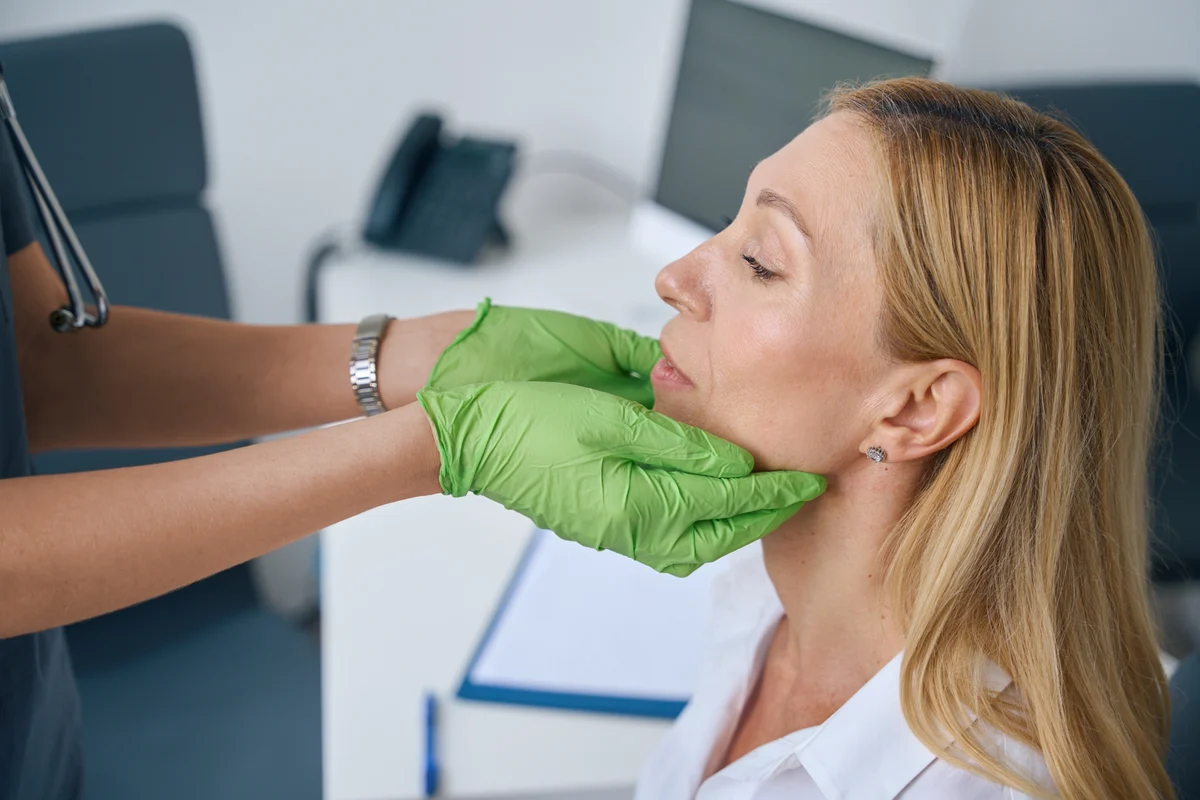
Expert Care for Facial Weakness and Paralysis
Facial nerve weakness can affect much more than appearance. Difficulty smiling, closing an eye, speaking clearly, or controlling food and liquids can disrupt everyday life. Causes range from Bell’s palsy to facial trauma, prior surgery, infection, and other conditions affecting the facial nerve.
At Northwest ENT, Dr. Ryan Stephenson begins with a thorough history and specialized examination to identify the cause, severity, and pattern of weakness. Treatment may involve medication, careful monitoring, facial nerve repair, procedures to protect the eye, or coordinated rehabilitation. Our focus is on protecting function and choosing the right treatment for each stage of recovery.
What Facial Nerve Care Includes
Bell’s Palsy Evaluation & Treatment
Prompt assessment of sudden facial weakness, with treatment and follow-up tailored to the diagnosis. Bell’s palsy is only one possible cause of facial paralysis, and accurate evaluation is important.
Facial Nerve Injury & Surgical Repair
Evaluation and surgical management of selected facial nerve injuries resulting from trauma, prior surgery, or other damage. Options depend on the location and extent of injury and the time since it occurred.
Eye Protection & Eyelid Weight Placement
Facial weakness can prevent complete eye closure and threaten the surface of the eye. Dr. Stephenson offers surgical eyelid weight placement for appropriate patients and coordinates other protective measures and eye care when needed.
Persistent Facial Weakness & Recovery
Ongoing evaluation of weakness after Bell’s palsy, injury, or surgery, including assessment of incomplete recovery, facial asymmetry, and abnormal or involuntary facial movements.
Facial Rehabilitation & Physical Therapy
Collaboration with trusted local physical therapists experienced in facial rehabilitation to support recovery, improve movement control, and manage persistent functional difficulties when appropriate.
New Facial Weakness? Seek Medical Evaluation Promptly
New facial weakness should not automatically be assumed to be Bell’s palsy. Sudden facial drooping, especially with arm weakness, speech difficulty, severe imbalance, or other neurological symptoms, may be a sign of stroke: call 911. Even isolated new facial weakness warrants prompt medical assessment.
For Bell’s palsy, starting appropriate treatment early—ideally within the first 72 hours—can improve the chance of recovery. If you cannot close your eye completely, protecting it from dryness and injury is also an immediate priority.
Signs a Facial Nerve Evaluation May Help
- New or unexplained facial drooping or weakness
- Difficulty closing one eye, blinking, or keeping the eye comfortable
- An uneven smile or difficulty moving the forehead or mouth
- Facial weakness after an injury or an operation
- Incomplete recovery after Bell’s palsy
- Unwanted facial movements, tightness, or asymmetry during recovery
What to Expect at Your Visit
A Detailed History & Examination
We review when symptoms started, how they have changed, and whether there was an injury, surgery, or another associated condition. Examination focuses on facial movement, symmetry, eye closure, and other relevant neurological or ear findings.
Additional Evaluation When Needed
Depending on your presentation, Dr. Stephenson may recommend imaging, other diagnostic studies, or coordination with additional specialists. Not every patient requires the same tests.
An Individualized Treatment Plan
We discuss what may improve with time or medical treatment and when surgical repair, eyelid protection, or rehabilitation may be beneficial. We explain realistic goals, alternatives, and follow-up needs.
Why Patients Choose Northwest ENT
Medical & Reconstructive Surgical Expertise
Dr. Stephenson offers care ranging from initial facial weakness evaluation to selected facial nerve repairs and eyelid weight placement, allowing medical and surgical options to be considered together.
Protecting Function Throughout Recovery
Our priorities include eye safety, facial movement, and the day-to-day effects of facial weakness—not simply appearance.
Trusted Rehabilitation Partnerships
We work with experienced local physical therapy partners when specialized facial rehabilitation may be helpful and remain involved in evaluating progress and treatment needs.
Personalized, Accessible Care
Our practice is structured to allow more time for careful assessment, explanations, and shared decisions, with direct communication through our office.
Take the Next Step Toward Facial Recovery
Whether facial weakness began recently or has persisted after an injury, illness, or operation, Northwest ENT can help evaluate the cause and discuss appropriate treatment options.
Frequently Asked Questions
No. Facial weakness can result from Bell’s palsy, injury, surgery, infection, tumors, or neurological conditions. Because treatment depends on the cause, a careful evaluation is essential. Sudden weakness with possible stroke symptoms requires emergency care.
Bell’s palsy should be evaluated promptly. For appropriate patients, corticosteroid treatment is most beneficial when started within 72 hours of symptom onset. Early evaluation also helps identify other causes and address eye protection.
Incomplete eye closure can cause dryness, corneal injury, and potentially threaten vision. Lubrication and other protective steps may be needed immediately. For selected patients with ongoing closure problems, eyelid weight placement can help protect the eye and allow less reliance on drops and moisture therapies. Eye pain, redness, or changes in vision require urgent eye assessment.
Some facial nerve injuries may be candidates for surgical repair or reconstruction. The options depend on the type and location of injury, whether the nerve remains intact, and how much time has passed. Early specialist assessment can be particularly important when a nerve injury is suspected.
Specialized facial rehabilitation may help selected patients improve movement control and manage long-term weakness or abnormal facial movements. We coordinate care with trusted local therapists and tailor recommendations to the cause and stage of recovery.