

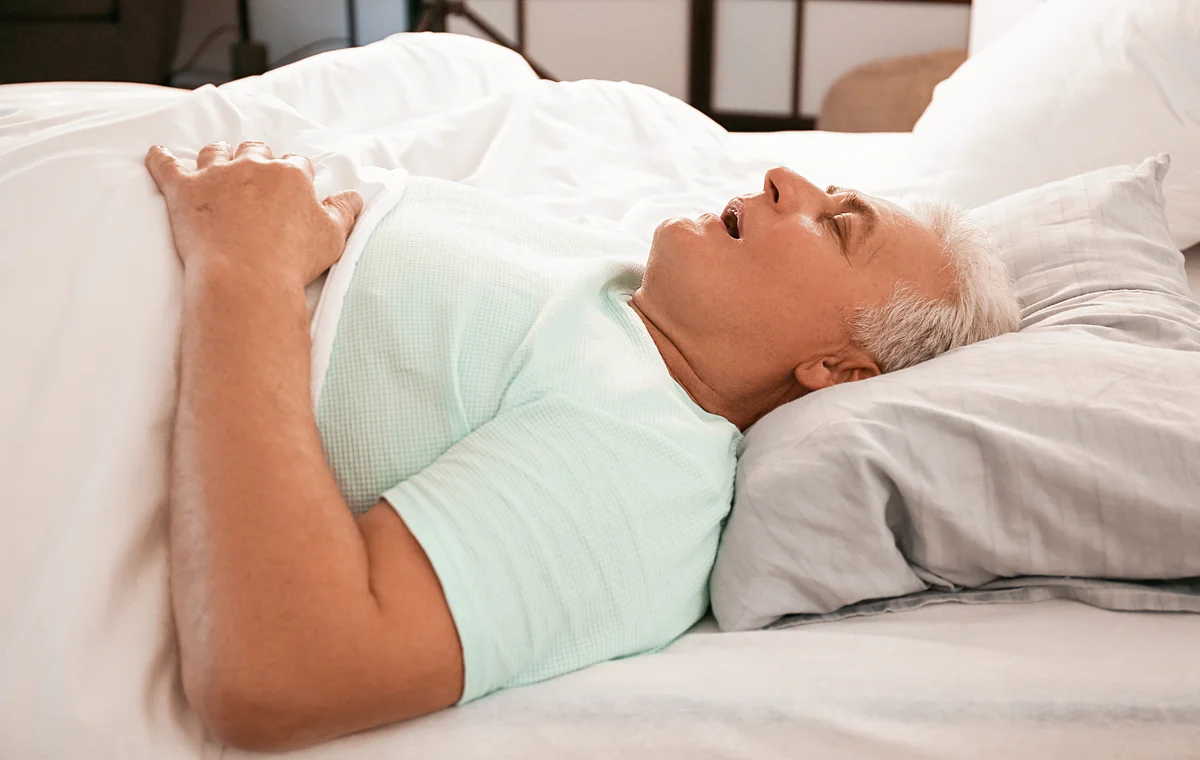
More Than Just Snoring
Snoring is common, but when it comes with gasping, pauses in breathing, or exhaustion that never seems to lift, it may point to sleep apnea, a condition that affects far more than your nights.
Sleep apnea often develops gradually, so many people adjust to feeling tired without realizing how much better they could feel with treatment. It also tends to go unnoticed by the person experiencing it, since the pauses in breathing usually happen during sleep and are often first noticed by a partner rather than the patient.
What It Can Look Like
Sleep apnea shows up differently for everyone, but these are the complaints we hear most:
Loud, Regular Snoring
Snoring that's noticeable enough to disrupt a partner's sleep or your own. It often changes with sleep position or gets worse over time.
Pauses in Breathing
Choking, gasping, or moments where breathing seems to stop during sleep, often noticed by a partner. These episodes can happen many times a night without you realizing it.
Daytime Exhaustion
Feeling tired no matter how many hours you slept the night before. It can affect focus, mood, and safety behind the wheel.
Morning Headaches
Waking up with a dull headache that fades within an hour or two. It is often tied to lower oxygen levels overnight.
Difficulty Concentrating
Trouble focusing at work or feeling foggy throughout the day. Many people mistake this for simply needing more coffee.
Restless Sleep
Tossing, turning, or waking up frequently without knowing why. You may wake up feeling like you never really rested.
If several of these sound familiar, especially the combination of snoring and daytime exhaustion, it is worth a closer look.
Who's Most Affected
Sleep apnea does not look the same for everyone, but certain factors make it more likely:
- Adults who are overweight or have a larger neck circumference
- Men, though sleep apnea affects women as well, often with different symptoms
- People with a family history of sleep apnea
- Those with nasal congestion or a deviated septum
- Smoking or frequent alcohol use, which can relax the airway further
- Older adults, though it can occur at any age
Even without these risk factors, sleep apnea can still develop, so persistent symptoms are always worth mentioning at a visit.
When Snoring Becomes Something More
- Your partner notices pauses in your breathing during sleep
- You wake up gasping or choking
- You feel exhausted despite a full night's sleep
- CPAP has not worked well for you in the past
Beyond CPAP
If CPAP has not been a good fit, it is not the only option. Inspire, an implanted device, offers an alternative for the right candidates, and Dr. Stephenson can help you figure out if it might work for you.

Why Patients Choose Northwest ENT
Options beyond a one-size-fits-all mask.
If CPAP isn't working, Dr. Stephenson will talk through real alternatives, including Inspire, rather than telling you to keep trying.
A plan that fits how you actually sleep.
Treatment accounts for your specific symptoms and lifestyle, not a generic sleep apnea protocol.
Straightforward guidance on testing.
You'll understand exactly why a sleep study is or isn't recommended for your situation.
One physician managing your care.
From diagnosis through treatment adjustments, you work with Dr. Stephenson directly.
Support for the mornings after, too.
Fatigue, focus, and mood are all part of the conversation, not just the snoring itself.
Sleep Better, Starting Tonight
Quieter nights and real rest are possible. Let's find out what's keeping you from both.
FAQs
No. Plenty of snoring is harmless, but snoring combined with gasping, pauses in breathing, or daytime exhaustion is worth evaluating.
In most cases, yes. A sleep study, which can sometimes be done at home, gives the clearest picture of what's happening while you sleep.
You're not alone. Other options, including the Inspire implant, may be a better fit depending on your situation.
Many patients notice better focus, mood, and energy once their sleep apnea is properly treated.